
Blog

The Ultimate Holiday Gift Guide for the Cannabis Lover
It’s officially holiday gifting season, and if you have someone in your life who enjoys cannabis, look no further. Whether they’re a seasoned consumer, a home grower, or someone who loves the ritual of consumption, this guide has something that will light up their holiday season. We’ve curated a list of top-tier gift ideas—from high-tech gadgets to stylish accessories—that are sure to be a hit.
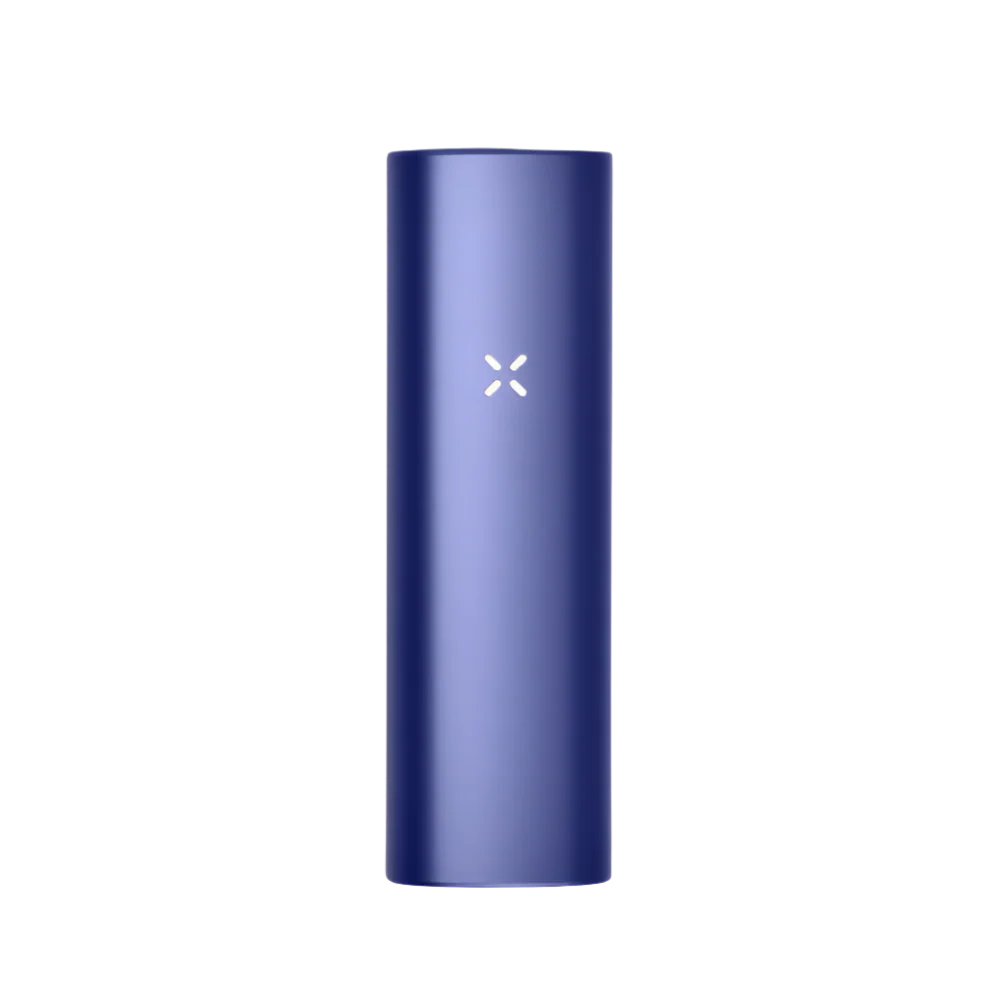
A High-End Dry Herb Vaporizer
This is the perfect gift for the smoke-conscious or flavor-focused consumer. A quality vaporizer heats the cannabis flower just enough to release the cannabinoids and terpenes without combustion, offering a smoother, cleaner, and more discreet experience. Modern models are sleek, pocket-sized, and provide exceptional temperature control to unlock the full flavor profile of the strain.
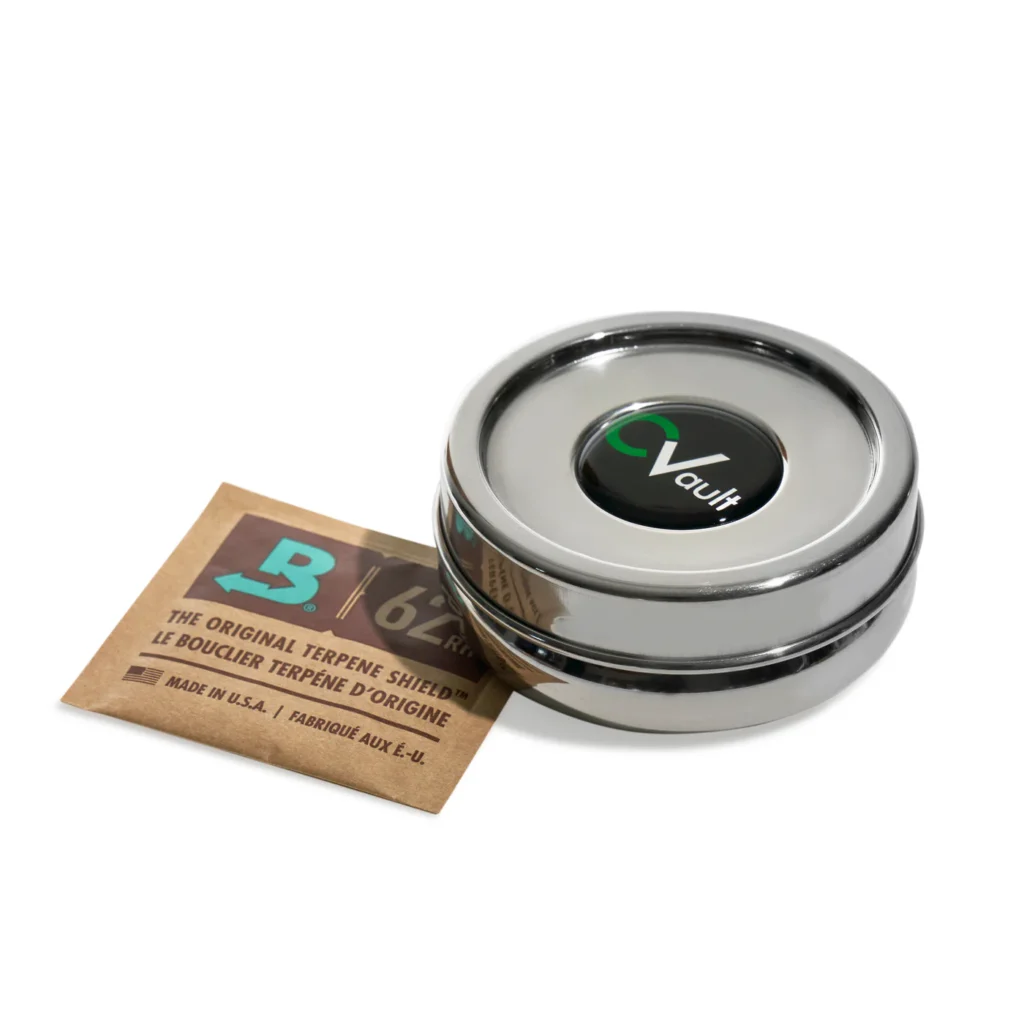
Airtight Storage Jars
No true connoisseur wants their flower losing its potency or aroma. A specialized storage jar is essential for maintaining freshness. Look for one that is opaque, airtight, and possibly offers a humidity control pack (like Boveda or Integra Boost). It’s the perfect blend of utility and elegance for keeping their stash in top condition.
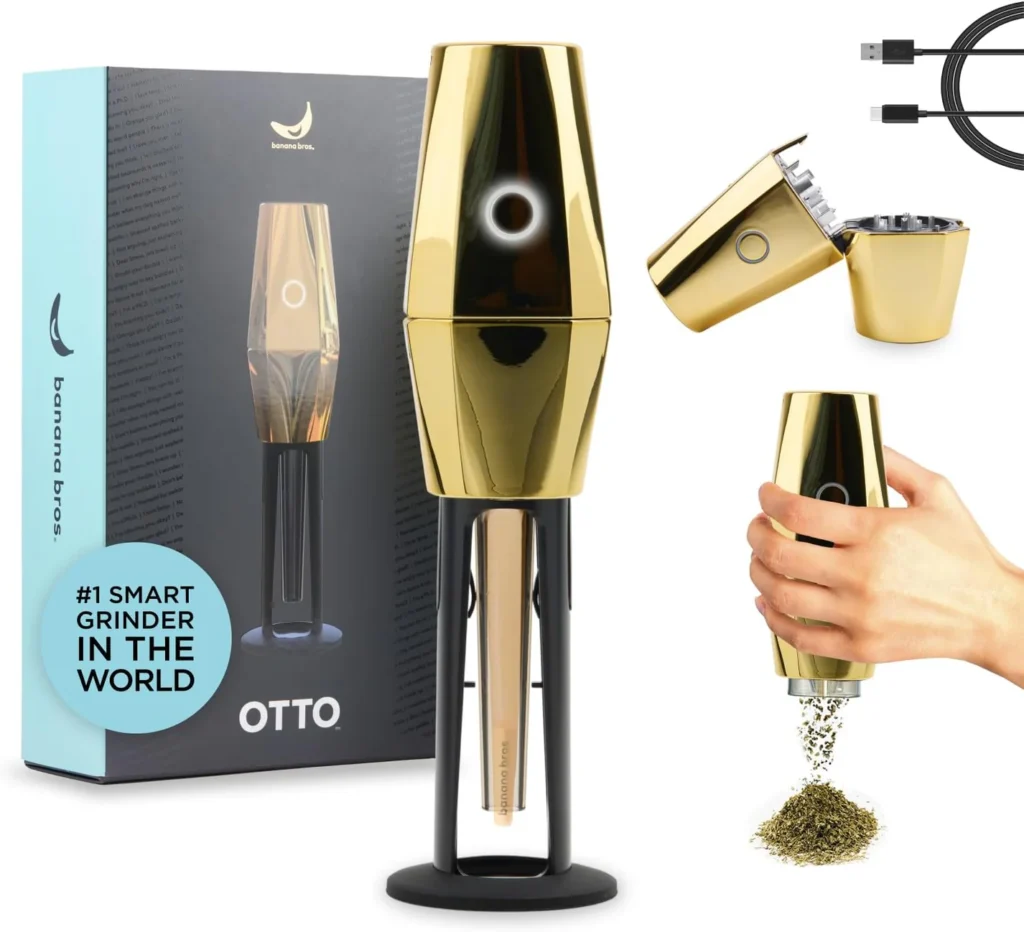
An Electric Herb Grinder
For those who value convenience and a perfect grind every time, an electric grinder is a game-changer. These devices take the manual labor out of grinding and often deliver a perfectly fluffy, consistent consistency that’s ideal for rolling or packing a bowl. It’s a touch of modern luxury for a classic preparation step.
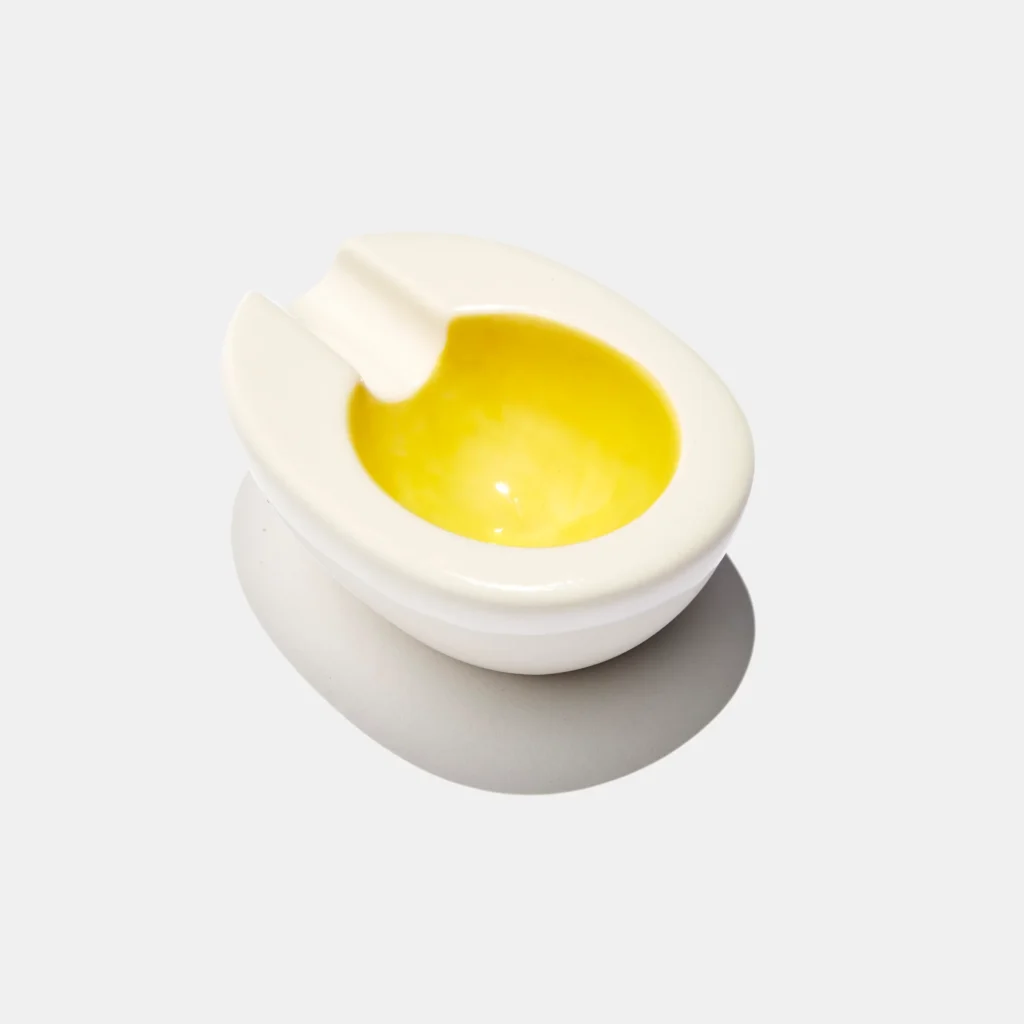
An Ashtray with Personality
Elevate their smoking ritual with a beautifully designed ashtray that they’re proud to display on their shelf or coffee table even when not consuming. Edie Parker makes some of our favorites
Better yet? Source a vintage one from Ebay or your local vintage shop for something truly one of a kind.

Stylish Lighter Cover
There’s one thing that any cannabis lover can never get enough of – lighters. And if you’ve ever been to a dispensary or cannabis event, chances are you’ve collected quite a few. But nothing elevates the experience of lighting up with a classic Bic lighter like a heavyweight, stylish lighter cover.
We’ve got our eye on this one.
Cannabis-Infused Cookbooks
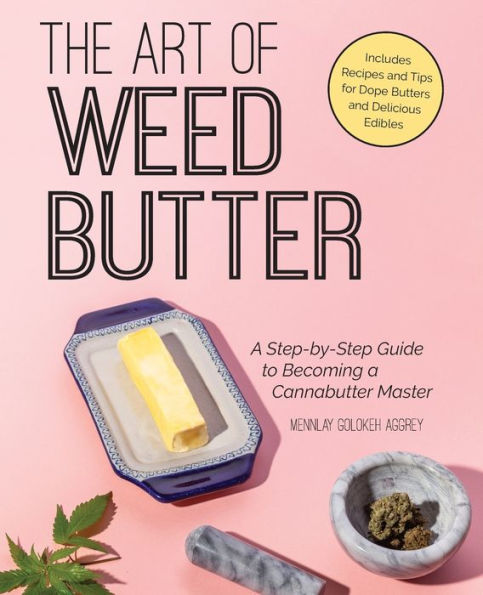
For the person who loves to experiment in the kitchen, a high-quality cookbook dedicated to infusing butter, oils, and creating gourmet edibles is an incredibly thoughtful gift. We love The Art of Weedbutter by Mennlay Golokeh Aggrey. You can pair it with a silicone mold set or an infusion machine (like a LĒVO) if you want to go all out.

CBD Self-care Products
A set of luxurious CBD-infused bath bombs, salves, or body lotions offers a wonderful way to unwind and soothe muscles due to the anti-inflammatory nature of CBD without the psychoactive effects of THC. Saint Jane makes some of our favorite, luxury CBD self-care products.
A High-Quality Pipe or Bong
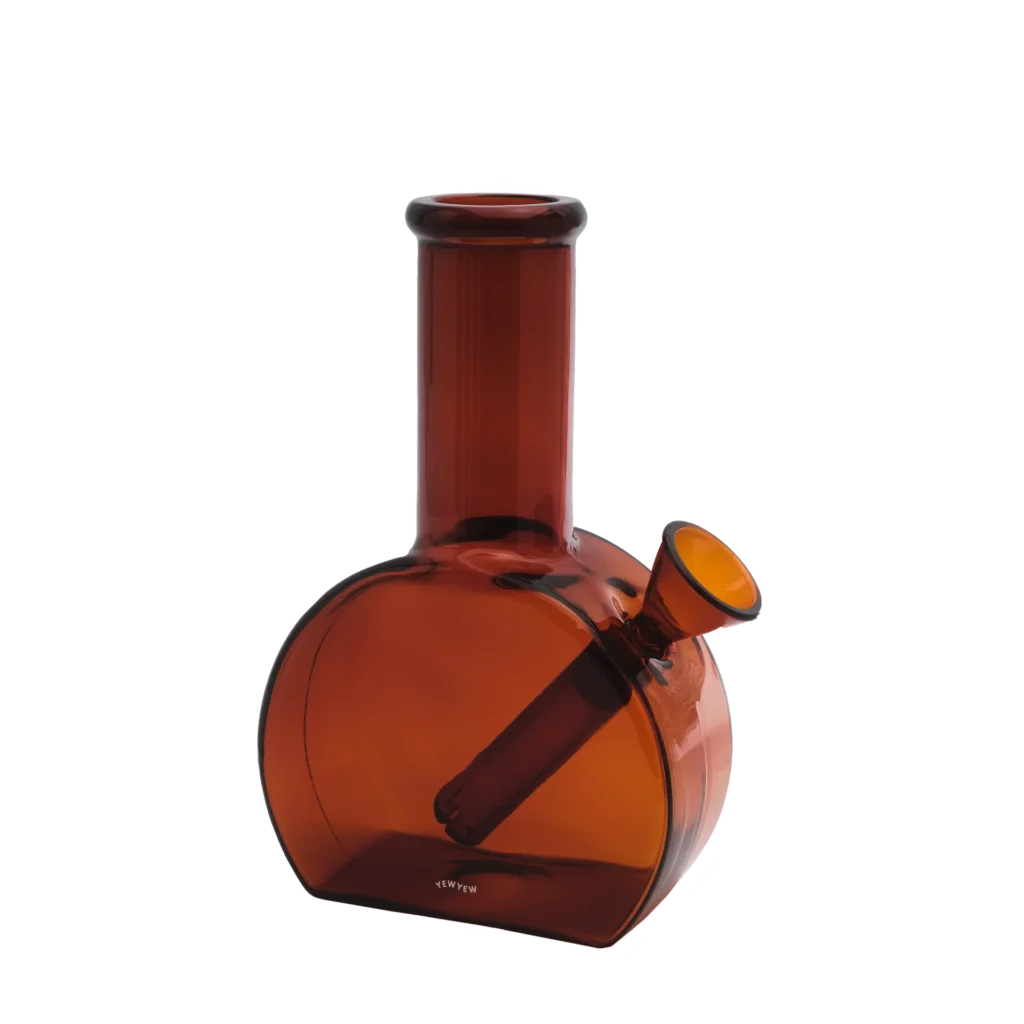
If your giftee is a traditional smoker, consider upgrading their glass collection. This bong from Yew Yew is perfect for people who want something easy to use that’s also aesthetically pleasing. Better yet, find a unique, handcrafted piece from a local glass blower—it’s an art piece as much as it is a smoking apparatus.
Donation to Last Prisoner Project in their Name
There’s so much to love about cannabis, but there’s also a dark history of criminalization and crucial reform work that’s yet to be done. The Last Prisoner Project is on a mission to repair the harms caused by the war on drugs through legal intervention, constituent support, direct advocacy, and policy change.
Happy gifting!

Flying too High? Your Friendly Guide to Coming Back Down

It’s happened to the best of us. Whether you’re a seasoned consumer or new to the scene, there’s always a risk of taking one too many hits, eating a stronger-than-expected edible, or simply misjudging your tolerance. That feeling—often described as racing thoughts, paranoia, dizziness, or an overall sense of panic—can be deeply unpleasant and even scary. It’s what we call “greening out” or simply, getting “too high.”
While the experience can feel intense and overwhelming in the moment, it’s crucial to remember this key fact: You are going to be okay. There has never been a recorded fatal overdose from cannabis alone. The worst that can happen is a few hours of discomfort. Understanding this can be the first, most powerful step in calming yourself down.
The good news is that there are several reliable, non-pharmacological techniques you can use to effectively mitigate the uncomfortable effects and gently guide yourself back toward a comfortable, grounded state. This guide is your toolkit for managing those moments.
Step 1: Accept and Breathe
The moment you realize you’re too high, your first reaction might be panic. Your heart rate might speed up, and anxiety can spike. This is where you need to implement immediate, conscious countermeasures.
Affirmation and Acceptance
Mentally state: “I am too high, and that is okay. This feeling is temporary, and it will pass.” Cannabis effects generally peak within 30 minutes of smoking and begin to subside within 1 to 3 hours. If it was an edible, the duration will be longer, but the peak intensity will still mellow out over time. Acknowledging this reality is the first step toward regaining control.
Mindful Breathing
When you’re anxious, your breathing becomes shallow and rapid. Slowing your breath sends a signal to your nervous system that you are not in danger.
- Try the 4-7-8 Technique: Inhale deeply through your nose for a count of four, hold your breath for a count of seven, and exhale completely through your mouth for a count of eight. Repeat this pattern 5 to 10 times. This exercise is incredibly effective at lowering your heart rate and grounding your mind.
Step 2: Use Food and Drink to Your Advantage
This isn’t just about distracting yourself; certain substances can actually help modulate the effects of THC.
The Magic of Black Peppercorns
This is one of the oldest and most widely shared tricks in the cannabis community, and science backs it up. Black peppercorns contain the terpene beta-caryophyllene. This terpene is known to interact with the same cannabinoid receptors (CB2) as THC, and research suggests it can effectively mitigate the psychoactive effects of THC, reducing anxiety and paranoia.
- The Method: Gently chew on 2 or 3 whole black peppercorns, or simply sniff a container of ground black pepper. You don’t need to swallow them, just access the aromatics and oils.
Hydrate, Hydrate, Hydrate
One of the most common side effects of THC is cottonmouth, but severe dehydration can also exacerbate feelings of dizziness and fogginess. Sip on plenty of water or fruit juice. The sugar in juice can help raise blood sugar levels, which sometimes helps counter lightheadedness (though this effect is often psychological). Avoid alcohol and caffeine, as these can intensify anxiety and worsen dehydration.
Eat a Snack
Eating something—especially a complex carbohydrate or a food high in fat—can help. If you’ve consumed an edible, food can help slow down the absorption of any THC still in your stomach. More immediately, the simple act of chewing and swallowing grounds you in your body and gives your mind a non-threatening focus. Reach for something comforting, like a slice of toast or a bowl of cereal.
Step 3: Change Your Scenery and Activity
The environment you’re in can play a huge role in how you perceive the intensity of your high. A little change can make a big difference.
Find a Quiet, Safe Space
If you are in a loud, crowded, or stimulating environment (like a party or concert), get out immediately. Retreat to a quiet bedroom, a bathroom, or even step outside for some fresh air. Darken the room, turn off the music, and reduce sensory input. A change in setting can interrupt a spiraling thought pattern.
Take a Walk (If You Can)
Gentle movement can be a great way to re-center. A short, slow walk around the block or even just outside on the patio can help you feel more connected to your surroundings and less trapped in your head. Focus intently on the physical feeling of your feet hitting the ground—this is a powerful grounding exercise.
Engage in a Low-Key Distraction
Doing something routine and simple helps convince your brain that everything is normal.
- Watch a Comforting Show: Put on a familiar, light-hearted TV show or movie (nothing complicated or stressful).
- Listen to Relaxing Music: Stick to calming, instrumental tracks or ambient soundscapes.
- Take a Shower: A cool or warm shower can be incredibly soothing and help reset your senses.
____
What to Avoid
When you are too high, there are a few things that can actually make the experience worse:
- DON’T Panic: Again, remind yourself that this is temporary. Panic feeds the anxiety loop.
- DON’T Consume More Cannabis: This seems obvious, but people sometimes try to “even out” or use cannabis to fall asleep, which usually backfires and intensifies the uncomfortable effects.
- DON’T Isolate Yourself (Unless You Need Quiet): If you are starting to panic, tell a trusted friend what is happening. Just having someone nearby who knows and can offer calm reassurance can significantly reduce anxiety.
A Note on Prevention
The best defense is a good offense. To avoid getting too high next time:
- Start Low and Go Slow: Especially with edibles, always begin with a low dose (e.g., 2.5mg or 5mg) and wait at least two hours before considering consuming more.
- Know Your Product: Understand the potency of what you are consuming. Concentrates and high-THC flower are much more intense than lower-THC strains.
- Know Your Settings: Only consume in safe, familiar, and comfortable environments, especially when trying something new.
Getting too high is rarely fun, but it is a manageable situation. And just remember – you’re going to be okay!

The Difference Between Gas Station THC and Shopping at Your Local Dispensary

If you live in a state where cannabis is either fully legal or navigating a complex regulatory landscape, you’ve likely noticed a peculiar trend: psychoactive products seemingly containing THC are now available at places like gas stations, convenience stores, and smoke shops. These products often sit right next to energy drinks and candy, bearing names like “Delta-8” or “Hemp-Derived Delta-9.”
Meanwhile, just down the road, state-licensed dispensaries operate with ID scanners, strict security, and highly trained staff, selling what they call “Delta-9 THC” products (the traditional cannabis compound).
So, what gives? Are these two markets selling the same thing? The short answer is no, and the differences are far more significant than price or convenience—they often boil down to safety, regulation, and what you’re actually consuming.
The Fundamental Divide: Regulation and Cannabinoid Type
The core difference between the two markets stems from two federal laws: the 2018 Farm Bill and state-specific cannabis legalization laws.
| Feature | Licensed Dispensary Products (Regulated) | Gas Station/Convenience Store Products (Unregulated) |
| Primary Cannabinoid | Delta-9 THC (from marijuana) | Delta-8 THC or Hemp-Derived Delta-9 |
| Source Plant | Marijuana (high naturally occurring Delta-9 THC) | Hemp (high CBD, low Delta-9 THC) |
| Legal Basis | State recreational or medical cannabis laws | The 2018 Farm Bill loophole |
| Manufacturing | Cultivated and extracted in tightly controlled, state-licensed facilities. | Often manufactured by chemically converting CBD in non-regulated labs. |
| Lab Testing (The COA) | Mandatory third-party testing for potency, pesticides, heavy metals, and residual solvents. Results (COA) are traceable. | Voluntary or non-existent third-party testing. Results are often unverifiable or incomplete. |
| Packaging & Labeling | Child-resistant, tamper-proof, uniform universal symbols, and clear, verified dosage information. | Often mimics popular candies, has inconsistent or inaccurate labeling, and lacks child-proofing. |
The “Delta” Distinction: Delta-9 vs. Delta-8
The most confusing part for consumers is the nomenclature.
Dispensary THC: The Regulated Delta-9
The THC compound traditionally associated with the cannabis “high” is Delta-9-Tetrahydrocannabinol (Delta-9).
- Source and Potency: In a licensed dispensary, Delta-9 products (flower, vape carts, edibles) are derived from the marijuana plant, which is naturally abundant in Delta-9 THC. These products are sold above the 0.3% dry weight limit that defines hemp.
- The Safety Guarantee: Every single batch in a regulated market must pass rigorous, state-mandated lab testing. This ensures that the 10mg gummy you buy is exactly 10mg of Delta-9 THC and is certified free of dangerous contaminants like heavy metals, pesticides, and residual solvents used during extraction.
Gas Station THC: Delta-8 and Hemp-Derived THC
The products you find at a convenience store are intoxicating cannabinoids derived from the federally legal hemp plant (which is defined as having less than 0.3% Delta-9 THC by dry weight).
- Delta-8 THC: This isomer of THC exists only in trace amounts naturally. Virtually all commercial Delta-8 is created in a lab by using heat and harsh chemical solvents (like acetic acid) to convert high-CBD hemp extract into Delta-8 THC. This conversion is unregulated and introduces significant safety risks.
- Hemp-Derived Delta-9 THC: These are products where the Delta-9 THC is extracted from hemp, but the product formulation is manipulated so that the final product weighs enough (e.g., a large gummy) to meet the under 0.3% dry weight federal limit, while still containing a psychoactive dose (e.g., 5mg or 10mg of Delta-9 THC)
The Uncomfortable Truth About Unregulated Products
The biggest reason consumers should be wary of gas station THC is the lack of mandatory, independent oversight. When a product is unregulated, there is no one checking the manufacturer’s claims.
- Chemical Contamination Risk: The chemical process used to convert CBD into Delta-8 THC often leaves behind residual, unpurified chemical solvents (acids, heavy metals). Without mandated third-party testing, these toxic leftovers can end up in the final product you consume.
- Inaccurate Potency and Mislabeled Ingredients: Studies have repeatedly shown that a vast majority of unregulated cannabinoid products are inaccurately labeled. A product labeled as 10mg of Delta-8 might contain less, more, or worse—it might contain entirely different, sometimes dangerous, synthetic cannabinoids not listed on the label.
- Targeting Minors: Since these products bypass strict dispensary rules, their packaging is frequently designed to look exactly like popular candies and snack foods, posing an immediate and serious risk of accidental ingestion by children. Regulated dispensary products are legally forbidden from using designs that appeal to minors.
The Bottom Line: Where to Shop for Safety
When considering a THC product, you are essentially choosing between two distinct supply chains: one that is highly regulated, tested, and taxed by the state, and one that operates in a federal gray area with minimal to no regulatory oversight.
If safety, purity, and predictable effects are your priority, the answer is clear: buy from a licensed cannabis dispensary.
- Dispensaries are the only way to guarantee that your product has passed rigorous, independent testing for contaminants.
- Dispensaries employ educated staff (budtenders) who can provide personalized guidance based on strain, potency, and desired effect.
- Dispensaries support the legal, regulated market, ensuring the product is responsibly tracked from seed to sale.
The slight difference in price or convenience is a small trade-off for the peace of mind that comes with consuming a lab-tested, accurately labeled product. When it comes to what you put in your body, quality and verifiable safety should always win out.

How to Get High, but not ‘High High’

For many cannabis enthusiasts, there’s a delicate balance to strike. We love the relaxation, the enhanced creativity, the gentle euphoria, and the way it can make everyday experiences feel a little more vibrant. But let’s be honest, we’ve all been there: that moment when you’ve gone “too far,” when the fun suddenly shifts to discomfort, anxiety, or simply wanting to hit the reset button. The goal? To get high, but not “high high.”
So, how do you navigate the nuanced world of cannabis to consistently land in that sweet spot of enjoyable, controlled effects? It’s an art, not a science, but with a few mindful strategies, you can significantly improve your experience.
1. Know Your Product: The Power of Terpenes and Cannabinoids
Gone are the days of “weed is weed.” Today’s legal cannabis market offers an incredible diversity of strains, each with its unique chemical profile. Understanding the basics can be a game-changer.
- THC Percentage: This is often the first thing people look at, and for good reason. THC (tetrahydrocannabinol) is the primary psychoactive compound. Higher percentages generally mean a more intense experience. If you’re aiming for a mild high, opt for strains with lower THC content, perhaps in the 10-18% range. Don’t feel pressured to always go for the strongest option!
- CBD Content: CBD (cannabidiol) is non-psychoactive and can actually modulate the effects of THC, often making the high feel smoother, less anxious, and more grounded. Look for strains with a balanced THC:CBD ratio (e.g., 1:1 or 2:1) if you’re prone to anxiety or want a gentler experience.
- Terpenes: These aromatic compounds give cannabis its distinct smells and flavors, but they also play a significant role in the “entourage effect,” influencing how cannabinoids interact with your body. For example, myrcene is often associated with relaxing, sedative effects, while limonene might be more uplifting. Ask your budtender about terpene profiles if you have specific desired effects.
2. Start Low, Go Slow: The Golden Rule
This cannot be stressed enough, especially for edibles. Cannabis effects can be notoriously unpredictable, varying based on your individual physiology, tolerance, and even what you’ve eaten that day.
- Inhalation (Smoking/Vaping): Take one small puff or hit, wait 5-10 minutes, and assess how you feel. It’s much easier to take another puff than to undo the effects of too many. The onset is relatively quick, usually within minutes.
- Edibles: This is where “go slow” is paramount. Edibles have a delayed onset (30 minutes to 2 hours) and often a much longer-lasting and more intense effect. Start with a very low dose (2.5mg – 5mg THC) and wait at least 90 minutes, preferably two hours, before considering another small dose. Patience is your best friend here.
3. Choose Your Method Wisely
The way you consume cannabis significantly impacts the onset, duration, and intensity of the high.
- Vaporizing: Generally considered a cleaner and more controllable method. Vaporizers heat cannabis to a temperature that releases cannabinoids and terpenes without combustion, often resulting in a clearer, less heavy high.
- Smoking (Flower): Offers quick onset and allows for easy titration (taking small amounts). However, the combustion can introduce harsher elements, and the high can sometimes feel more intense or “heavier” than vaping.
- Edibles: As mentioned, edibles offer a potent, long-lasting, and often more body-heavy high. Perfect for extended relaxation, but challenging for precise control.
- Tinctures/Oils (Sublingual): Placed under the tongue, these offer a faster onset than edibles (15-45 minutes) but are still slower than inhalation. They allow for very precise dosing with a dropper, making them excellent for controlled experiences.
4. Set the Scene: Environment and Mindset
Your surroundings and mental state play a huge role in your cannabis experience.
- Comfortable Environment: Choose a familiar, safe, and comfortable space where you feel relaxed and don’t have pressing responsibilities.
- Positive Mindset: If you’re feeling anxious, stressed, or in a negative headspace, cannabis can sometimes amplify those feelings. Consider waiting until you’re in a more positive frame of mind.
- Good Company (Optional): Enjoying cannabis with trusted friends in a low-pressure setting can enhance the experience.
5. Hydrate and Snack (Sensibly)
Staying hydrated and having some snacks on hand can help. Dehydration can sometimes contribute to discomfort, and a light snack can help ground you if you feel a little too elevated. Avoid overeating or sugary binges, which can sometimes lead to an energy crash.
6. Listen to Your Body
Ultimately, the best guide is your own body. Pay attention to how different strains, consumption methods, and doses affect you. Keep a mental (or even physical) log of what works best for you. Your tolerance can also change over time, so remain mindful and adjust accordingly.
Finding your cannabis sweet spot is a journey of exploration and self-discovery. By understanding your product, practicing mindful consumption, choosing your method wisely, and setting the right scene, you can consistently achieve the enjoyable, controlled high you’re looking for, leaving the “high high” behind.
Time for a Reset: Tips for a Successful THC Tolerance Break
If your usual dose of cannabis isn’t hitting the way it used to, or you find yourself needing more product just to achieve the same feeling, you’ve likely developed a THC tolerance. This is a common, natural biological response to frequent consumption. The good news is that you don’t need a total overhaul—you just need a T-Break (Tolerance Break).
A T-break is a period of temporary abstinence from THC products designed to let your body’s endocannabinoid system (ECS) reset. Specifically, regular THC use causes the CB1 receptors in your brain, which are responsible for the psychoactive effects, to become less responsive and less numerous (a process called downregulation). A break allows these receptors to return to their baseline sensitivity, making your cannabis experience more effective and enjoyable when you return.
While the rewards—stronger effects from smaller amounts—are great, the process can be challenging. Here is your friendly, step-by-step guide to planning and completing a successful THC tolerance break.
Phase 1: Planning and Preparation
The biggest key to success is preparation. Don’t wake up one morning and decide to quit cold turkey without a plan.
1. Set a Clear Goal and Duration
How long should your break be? The length depends entirely on your usage habits and desired reset level.
- Light Users (Occasional/Weekend): A 2-3 day break may offer a noticeable difference, as CB1 receptor recovery can begin in as little as 48 hours.
- Regular Users (Daily/Heavy): For a substantial and meaningful reset, experts often recommend a minimum of 21 to 28 days. Research suggests it can take about four weeks for CB1 receptor density to return to pre-use levels.
Choose a time with minimal stress and social obligations, like the period after the holidays or before a major project starts.
2. Remove Temptation
If it’s out of sight, it’s easier to keep out of mind. Before your break begins, put away all cannabis products, paraphernalia (vapes, pipes, grinders), and related accessories. If you live with others, ask them to store their products securely where you won’t see or smell them. This reduces the mental effort required to resist an impulse.
3. Prepare for Withdrawal Symptoms
If you are a heavy or daily user, it’s possible to experience mild, temporary cannabis withdrawal symptoms as your body adjusts. These are not medically dangerous, but they can be uncomfortable.
- Common Symptoms: Irritability, anxiety, difficulty falling asleep (insomnia), vivid dreams/nightmares, decreased appetite, and cravings.
- When They Peak: Symptoms usually start 24–48 hours after stopping and typically peak around days 2–6. They generally subside within 1–2 weeks. Knowing what to expect makes these temporary effects less alarming.
Phase 2: Execution and Symptom Management
This is where you implement coping mechanisms to manage cravings and withdrawal discomfort.
4. Find Replacement Rituals and Activities
Many people don’t just miss the THC; they miss the ritual—the act of rolling a joint, packing a bowl, or having a final vape hit before bed. You need to replace these routines with healthy, non-THC alternatives.
- The Evening Wind-Down: Substitute your evening smoke with a new routine: a hot bath, reading a physical book, meditation, or sipping a CBD-infused tea (see point 6).
- Boredom Busters: Boredom is a major trigger. Plan to fill the time you usually spent consuming cannabis. Start that new hobby, join a gym, tackle a home project, or catch up with friends (preferably those who support your break).
5. Prioritize Self-Care (Sleep, Diet, and Exercise)
A healthy body is more resilient to change. Focus intensely on these three areas:
- Sleep: Withdrawal-related insomnia and restlessness are common. Maintain a strict, pre-determined sleep schedule (even on weekends). Avoid screens for an hour before bed and use relaxation techniques like deep breathing or listening to white noise.
- Exercise: Physical activity is a huge mood booster and a great distraction. Cardiovascular exercise helps your body metabolize THC metabolites faster. Even a 30-minute walk can significantly reduce anxiety and restlessness.
- Hydration & Diet: Stay well-hydrated. If your appetite is low, try eating smaller, nutrient-dense meals like soups or smoothies. Focus on wholesome foods that keep your energy levels stable.
6. Utilize CBD and Other Cannabinoids
This is a nuanced tip, but often helpful. Many users find success using high-CBD products (like CBD flower, oils, or tinctures) during their break.
- The Benefit: CBD is non-intoxicating and can help manage anxiety, irritability, and sleep issues without triggering your CB1 receptors the way THC does.
- The Caveat: If the ritual is your main issue, avoid smoking CBD flower in the same gear you use for THC. Instead, use an oil or edible form of CBD to separate the physical act from the therapeutic effects.
Phase 3: The Return
You successfully completed your break—congratulations! The next step is just as important: managing your return to consumption.
7. Go Slow and Microdose
Your tolerance is now much lower, so treat yourself like a beginner again.
- Start with 25-50% of your pre-break dose. If you were taking 10mg edibles, start with 2.5mg or 5mg.
- Wait and Assess. Give your body plenty of time to feel the effects before consuming more. For smoking/vaping, wait 5–10 minutes; for edibles, wait 90–120 minutes.
8. Create a Sustainable Maintenance Plan
To prevent a rapid tolerance build-up, use your T-break as a pivot point for healthier habits going forward:
- Designated Consumption Days: Only consume cannabis on weekends or every other day, rather than daily.
- Lower Potency Products: Introduce lower-THC strains or switch to products with a balanced THC:CBD ratio.
- Schedule Mini-Breaks: Implement short, regular breaks (like two or three days off every week) to maintain your lower tolerance level over the long term.
A tolerance break is a commitment to a healthier, more intentional relationship with cannabis. It’s a temporary sacrifice that pays off with a more potent, enjoyable, and sustainable experience down the road.

Why Straight Rolls are Superior to Cones
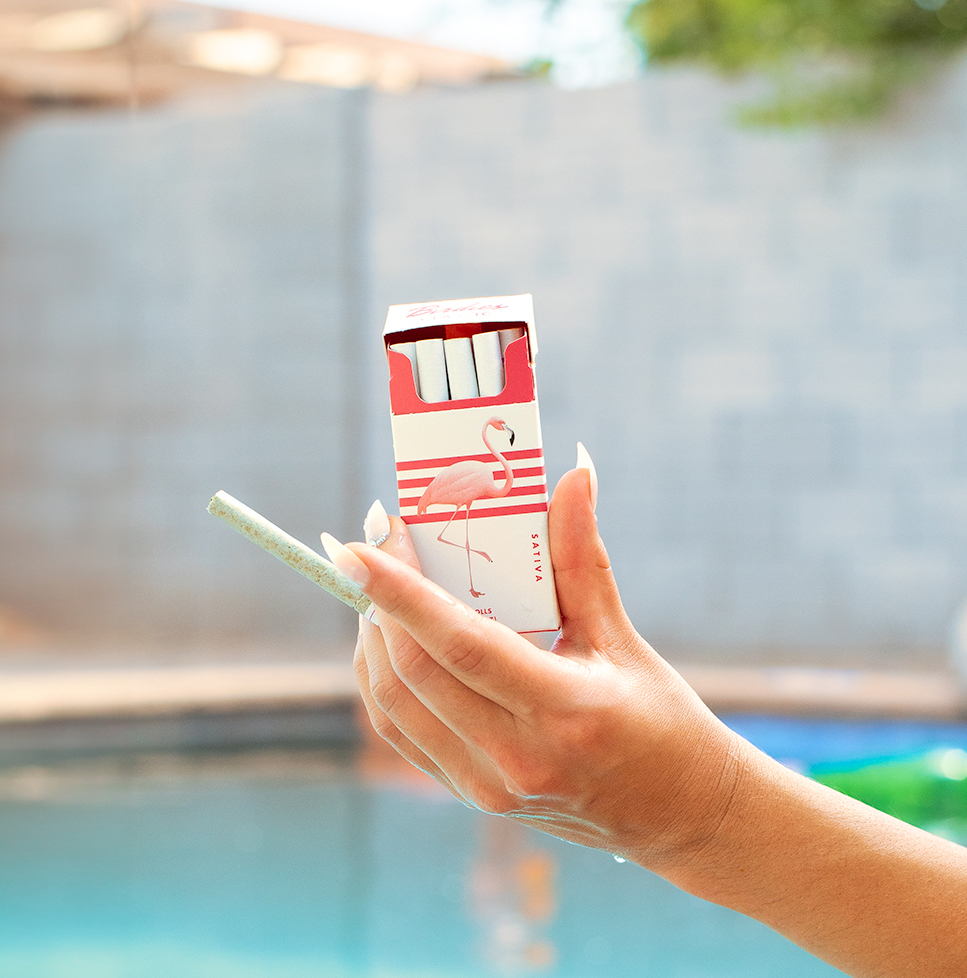
For decades, the cone-shaped joint has reigned supreme. It’s the shape most people picture when they think of a hand-rolled classic—wider at the tip, tapering down to the filter. It has a certain romantic, bohemian appeal. However, in the modern, highly competitive cannabis market, quality and consistency are everything. And when it comes to delivering a reliable, perfect smoking experience from the first puff to the last, the often-overlooked straight roll (or cylindrical pre-roll), is technically superior.
The reasons for the straight roll’s dominance are rooted in the science of combustion, packing density, and airflow. Let’s break down why this simpler, straight shape creates a more refined and enjoyable session.
1. The Consistency of the Burn
The single greatest enemy of a good smoke session is the infamous “canoe”—when one side of the joint burns faster than the other, causing the paper to create a frustrating, boat-like shape that wastes product and ruins the flavor.
- The Cone Problem: The cone’s tapered shape means the amount of cannabis flower varies significantly from top to bottom. The tip is wide and contains a large volume of material, while the bottom near the filter is narrow and contains much less. It is virtually impossible to pack a cone with perfectly even density throughout, which leads to uneven burn rates. The slightest inconsistency in packing is magnified by the change in diameter, leading to side-burning.
- The Straight Roll Solution: A straight roll maintains the exact same diameter from the tip to the filter. When a high-quality rolling machine or a skilled artisan rolls a straight joint, they can achieve a uniform density throughout the entire length. This consistency ensures that the ember travels down the joint evenly, preventing canoeing and guaranteeing that you burn only the flower you intend to consume.
2. Superior and Predictable Airflow
Airflow, or the “draw,” is the resistance you feel when you inhale. A joint that is too tight is nearly impossible to smoke (a “plug”), and one that is too loose burns too fast and hot.
- The Cone Drawback: Because the cone shape necessitates a wide-open tip, the airflow can be inconsistent. The beginning of the joint can pull easily, but as the heat and resin travel down to the narrower, denser base, the airflow can restrict, leading to a hotter, harsher hit near the end.
- The Straight Roll Advantage: A perfectly rolled straight joint offers a controlled and consistent draw from start to finish. The uniform density allows for a smooth, steady intake of smoke throughout the session. This predictability means you don’t have to adjust the force of your pull as the joint gets smaller. It delivers the same, pleasant resistance whether it’s fully lit or near the filter, resulting in a cooler, smoother smoke.
3. Preserving Terpenes and Flavor
The terpene profile—the natural oils that give cannabis its flavor and aroma—is what truly defines the experience of a strain. A bad burn can destroy these delicate compounds.
- The Heat Factor: When a joint burns unevenly or too quickly (as can happen with a loose cone), the higher temperatures incinerate the terpenes before you can taste them. The result is a generic, hot, and often acrid smoke.
- The Straight Roll Factor: Because a straight roll burns at a steady, consistent rate, the flower is consumed at an optimal temperature, allowing the subtle flavors of the strain’s terpene profile (the citrus, pine, or earthy notes) to shine through in every puff. It is the best format for showcasing the craftsmanship of the cured flower itself.
4. A Note on Production Quality (Stuffed Cones vs. Rolled Joints)
While not all straight pre-rolls are rolled and not all cones are stuffed, in the regulated commercial market, the distinction is often about the production process:
- Stuffed Cones: Most mass-market pre-rolls are produced by stuffing pre-made paper cones with ground cannabis, often using vibration to settle the flower. This aggressive vibration can damage delicate trichomes (the resin glands that hold THC and terpenes), leading to a less potent product. Furthermore, the flower often has to be ground very finely and dried excessively to flow into the cone, further compromising quality.
- Precision-Rolled Cylinders: Premium straight pre-rolls are often made using advanced rolling technology that mimics the precise action of a master hand-roller. These machines use gentle pressure to roll the paper around the flower, maintaining a higher level of moisture (preserving terpenes) and minimizing trichome damage. They utilize a slightly coarser grind, which is better for both airflow and flavor.
The Straight Roll is the Connoisseur’s Choice
Ultimately, the straight-roll format moves the consumption experience away from the unpredictable, sometimes frustrating nature of a hand-stuffed cone and toward the reliable, clean experience of a high-quality tobacco cigarette or cigar—but filled with flower.
It’s a subtle preference, but to the consumer who is paying a premium for a top-shelf strain, these details matter. The straight roll ensures that the investment in quality flower is respected by the rolling format, resulting in a burn that is even, a pull that is smooth, and a flavor that is true to the strain. It’s a testament to consistency, proving that sometimes, the simplest shape is the best design.